80% of Extreme Events Now Trace Back to Us
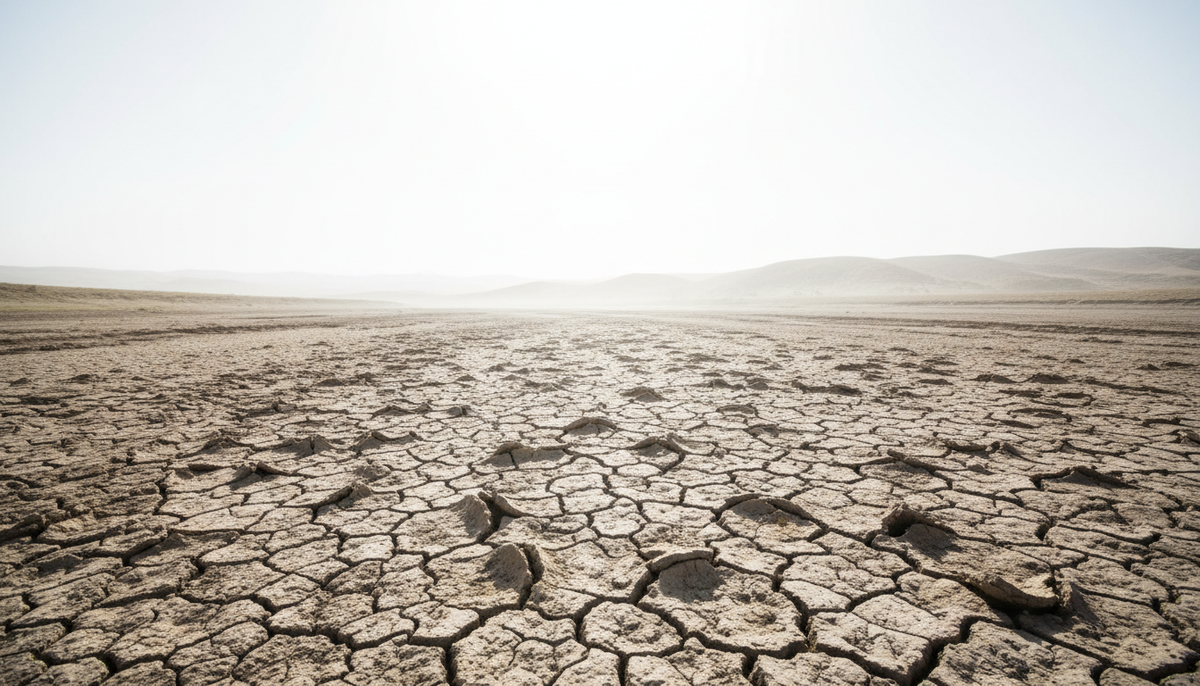
Approximately 70% to 80% of analyzed extreme weather events are now verifiably more likely or more intense due to climate change. That is the quantifiable link, established by advanced science, between rising global temperatures and the escalating weather crises impacting communities worldwide. Human activity, as the Intergovernmental Panel on Climate Change finds, is the dominant driver of this warming trend, which has pushed global average temperatures between 1.4°C and 1.58°C above pre-industrial levels.
The Human Fingerprint on Weather
The Earth is warming faster now than in recent decades. The planet's temperature has risen at a rate of 0.35°C per decade recently, a significant acceleration compared to the 0.2°C per decade average recorded between 1970 and 2015. This isn't just a gradual shift. It means extreme weather is now the new normal, not an anomaly.
Heatwaves and Heavy Rains Intensify
The most pronounced and consistently quantifiable links between rising global temperatures and extreme weather appear in heatwaves and heavy precipitation events. Warmer air fundamentally holds more moisture, intensifying rainfall. The proportion of land experiencing unusually high precipitation has steadily increased, as a Nature study found. The frequency of record-high temperatures is also escalating.
Take the 2003 European heatwave. Attribution studies confirm human-caused warming made that event far more probable. Mediterranean heatwaves, already more frequent, are projected to intensify further. In South Asia, monsoon rainfall is experiencing increased intensity as warmer air absorbs more moisture, EurekAlert reports. These are not isolated incidents. They are a pattern.
The Science of Blame
Extreme event attribution science, or EEA, has advanced to the point where researchers can now quantify humanity's contribution to specific weather events. This involves comparing an event's probability in our current climate to a hypothetical world without human-induced warming, researchers confirm. This precise methodology allows scientists to state with confidence that climate change increased the likelihood or intensity for the vast majority of events studied, as studies show. However, modeling complex interactions, particularly for combined events like heatwaves and droughts, still presents challenges.
The Arctic's Warning Bell
The Arctic is warming at a rate nearly four times faster than the global average, as a peer-reviewed study published in PMC finds. This rapid heating accelerates the thawing of permafrost, which holds an estimated 1,460 to 1,600 billion metric tons of carbon, nearly double the amount currently in our atmosphere, research indicates. Arctic wildfires release an additional 142 million tonnes of carbon annually, the Intergovernmental Panel on Climate Change reports. These are significant feedback loops, potentially accelerating global warming and extreme weather events beyond current projections. The precise quantification of these dramatic accelerations remains uncertain. What also remains unquantified by this research are the specific, cost-effective adaptation measures needed globally, or the estimated expense of implementing them.
The Costs of Change
While hurricane intensity is increasing due to warmer ocean temperatures, the overall number of Atlantic hurricanes does not show a clear long-term increasing trend, EurekAlert reports. Natural climate variability continues to play a role in weather patterns. Yet, the influence of human activity now largely overshadows these natural cycles, shaping long-term trends in extreme weather events.
The New Reality
The link between rising global temperatures and increasing extreme weather is both quantifiable and undeniable.
Comments ()