Cities Win AI Data Center Deals
States' $1.4M to $2.1M Subsidies Per Job
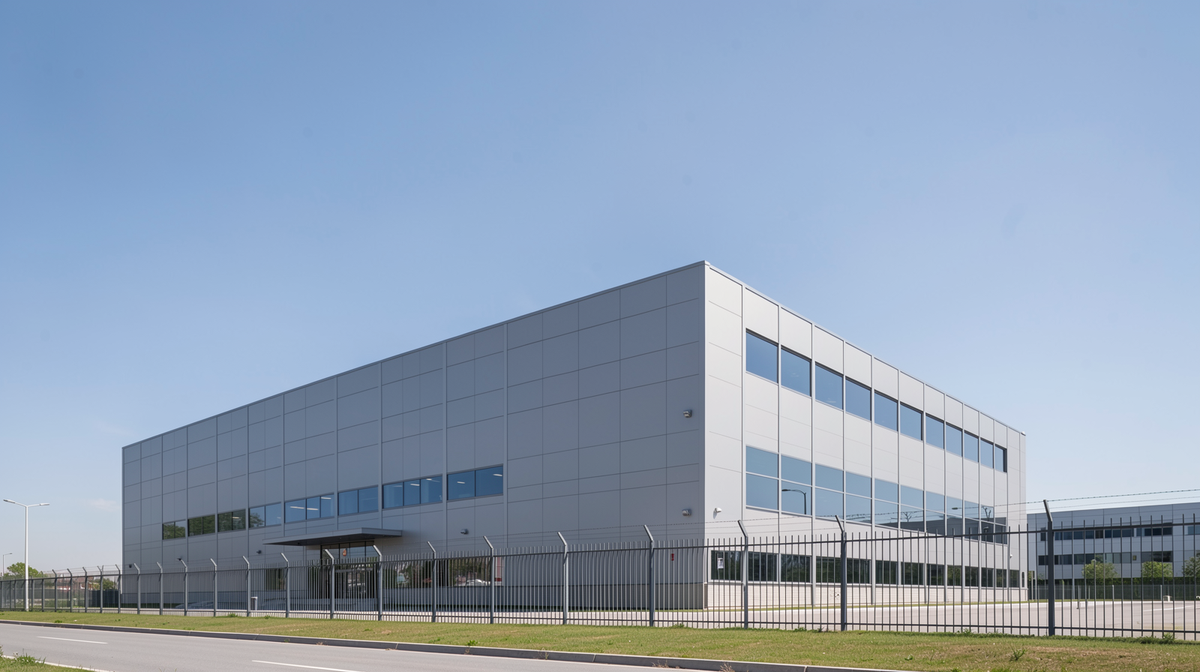
FAS reports that states provide an average of $1.4 million to $2.1 million in subsidies for every permanent job created by a data center. Brookings documented that over 100 localities enacted development moratoriums and more than 300 state data center bills were filed in the first six weeks of 2026. FAS also reported that local residents bear disproportionate utility costs, with electricity prices in some data center-heavy regions surging over 250% in five years. Grid supply costs jumped from $2.2 billion to $14.7 billion in a single year across the PJM region, Brookings found. WRI explains that state laws can further limit local authority, making private agreements necessary in places like Tennessee and Texas.
Flexible CBA Language Circumvents Local Hiring
However, Columbia Law blogs observed that Community Benefits Agreements (CBAs) often use flexible language like "percentage goals" and "good faith efforts" rather than binding numeric local hiring targets, allowing developers to circumvent meaningful workforce commitments. NatureForward reported that "Data centers are among the least labor-intensive structures in the economy, creating more temporary than permanent positions." Instead of generating broad-based solidarity through widespread wage increases, data center expansion reshapes labor power structures around fragmented, project-specific concessions. Michigan's MI SB 1048 and MI HB 5777, for instance, tie special electricity rates and economic development incentives to prevailing wages and Project Labor Agreements (PLAs) for specific projects, as documented by iRecruit. Brookings, BFI UChicago, and Futurity found that residential electricity rates rose about 32% nationally between July 2020 and July 2025, while wages in host areas remained largely unaffected or only modestly impacted.
Memphis's 25% AI Data Center Tax Capture
Memphis, for example, passed an ordinance capturing 25% of AI data center property taxes to fund public projects within a five-mile radius, WRI documented. The City of Lancaster, for instance, secured $20.25 million in contributions to local foundations and sustainable development funds through its CBA, as reported by Columbia Law blogs, WRI, and FAS. Such optimized local policy structures, particularly CBAs, can successfully capture sufficient net revenue to empower municipal investment. Such mechanisms demonstrate that proactive local governance can secure substantial long-term economic resilience despite fiscal headwinds. A single facility can consume up to 5 million gallons of water daily, FAS highlighted.
By-Right Status Limits Municipal Concessions
Jurisdictions categorizing hyperscale data centers as by-right infrastructure (development approved without discretionary review) often surrender their strongest opportunities to shape outcomes, as municipalities lose the window to demand substantive concessions during discretionary review, Duke DeepTech and FAS determined. Columbia Law blogs, WRI, and FAS explain that this limits the ability to secure firm local hiring commitments and mandate strict operational limits, such as specific water usage caps or noise restrictions, before construction begins. FAS and ScienceForGeorgia emphasize that effective enforceability requires specific numeric targets, secured financial obligations, independent monitoring, and clear enforcement mechanisms. Flexible or ambiguous language reduces effectiveness, Columbia Law blogs warned.
Decisive Municipal Action Secures Investments
Municipalities that act decisively, like Memphis, can secure tangible community investments, reshaping the digital future on their own terms. Evidence indicates that while AI data centers bring immense capital, their benefits are not automatically distributed. The concentration of economic leverage with corporate developers demands that local governments prioritize community-wide benefits and environmental protections over a narrow focus on job counts.
Comments ()