Microsoft AI Surveillance Centralizes Power, Erodes Autonomy
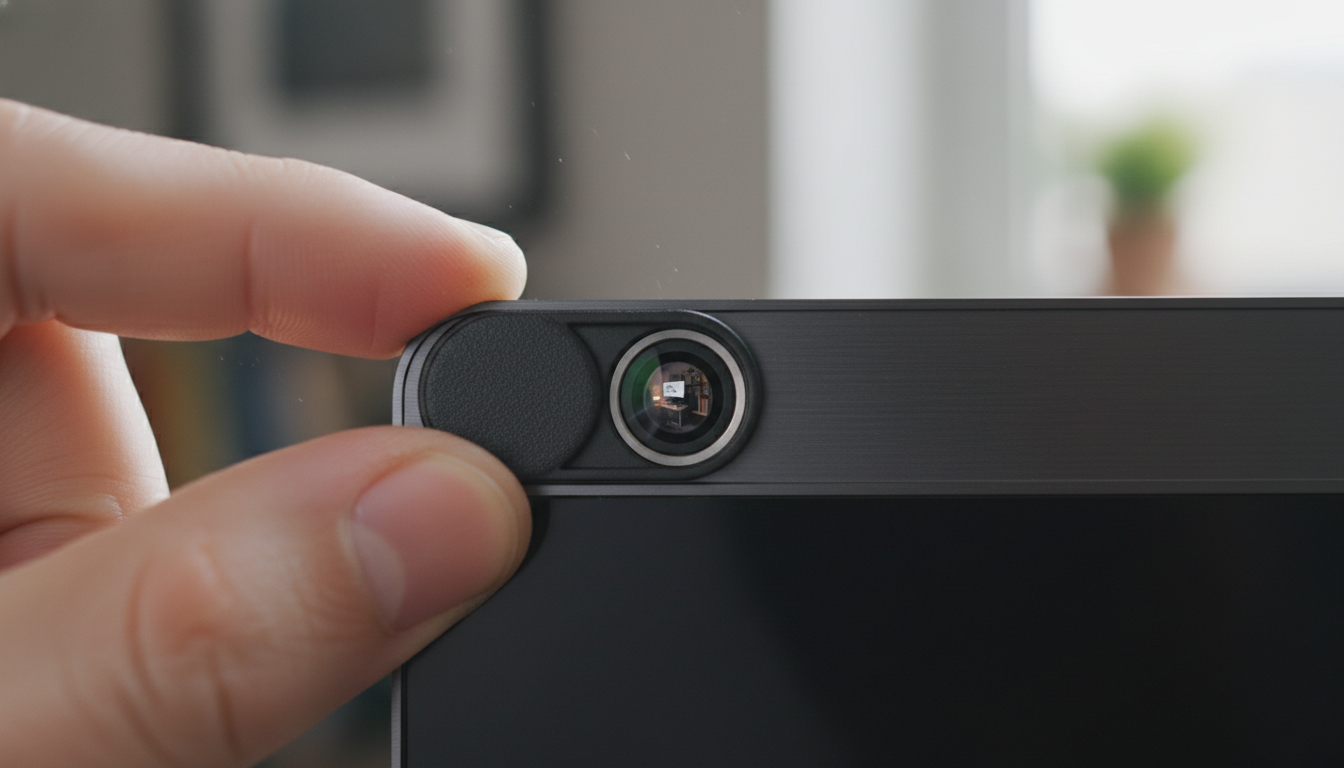
In March 2026, Serenities.ai reported that Microsoft 365 administrators gained the ability to track employee locations in real-time through Teams, including the Wi-Fi network connected and whether they are at their designated workspace.
Microsoft AI Fuels Productivity Paranoia
Privacy International and Pragmatic Works documented that Microsoft's productivity suites use AI to generate quantitative data on employee behavior, comparing individuals to peer organizations and scanning communications for compliance. Fortune reported that this automated scoring often relies on "wrong data," such as keystrokes and mouse movements, fueling managerial "productivity paranoia" and leading leaders to judge performance based on activity rather than outcomes. Merve Hickok and Nestor Maslej observed that managers become "more invisible behind the algorithmic decision-making systems," creating an imbalanced power dynamic where workers are hyper-visible.
Teams Tracks Employees in Home Environments
Merve Hickok and Nestor Maslej explained that the ability to track employee locations in real-time through Teams extends Microsoft’s monitoring from corporate infrastructure to personal home environments, effectively erasing the boundary between professional and private life. They also noted that a 2022 Dutch court ruled an employer's requirement for employees to keep webcams on and share screens violated their right to private and family life. Privacy International and Serenities.ai reported that Microsoft 365 tools operate with "total opacity," enabling features like "Audit" and real-time location tracking without notifying users.
Cornell Research: AI Reduces Autonomy, Creativity
Malvika Jethmalani highlighted Cornell University research indicating that employees under AI surveillance feel less autonomous, experience higher stress, perform worse, and produce fewer creative ideas. Merve Hickok, Nestor Maslej, and BISI argued that these algorithmic inferences alter traditional human oversight by substituting human judgment with automated recommendations, which reduces critical thinking and self-efficacy. Malvika Jethmalani pointed to public opposition demonstrating these costs, with 61% of Americans opposing AI tracking of movements and 56% opposing monitoring of time spent at desks. BISI and Malvika Jethmalani explained that AI systems trained on specific datasets can propagate particular worldviews, leading to cultural homogenization and perpetuating bias, particularly through "emotion AI" that infers feelings from voice tones and expressions.
Behavioral Surplus Predicts Quitting, Unionizing
Malvika Jethmalani stated that the continuous accumulation of behavioral data through Microsoft's ecosystem enables organizations to mine "behavioral surplus" for predictive analytics, identifying employees likely to quit, underperform, or unionize, and even automating disciplinary actions. A Microsoft Tech Community blog and Forbes reported that Microsoft's own 2026 Work Trend Index research found organizational climate and leadership factors contribute over twice as much to AI's impact as individual user behavior, meaning efficiency depends on the environment leaders create rather than the surveillance itself. BISI argued that this environment reduces critical thinking and self-efficacy, as algorithmic recommendations often substitute human judgment. Ultimately, the drive for algorithmic efficiency through hyper-visibility risks creating a workforce where the psychological safety necessary for innovation is systematically eroded, a tension Microsoft's own research acknowledges.
Comments ()