Speed Cameras: The Data Is In
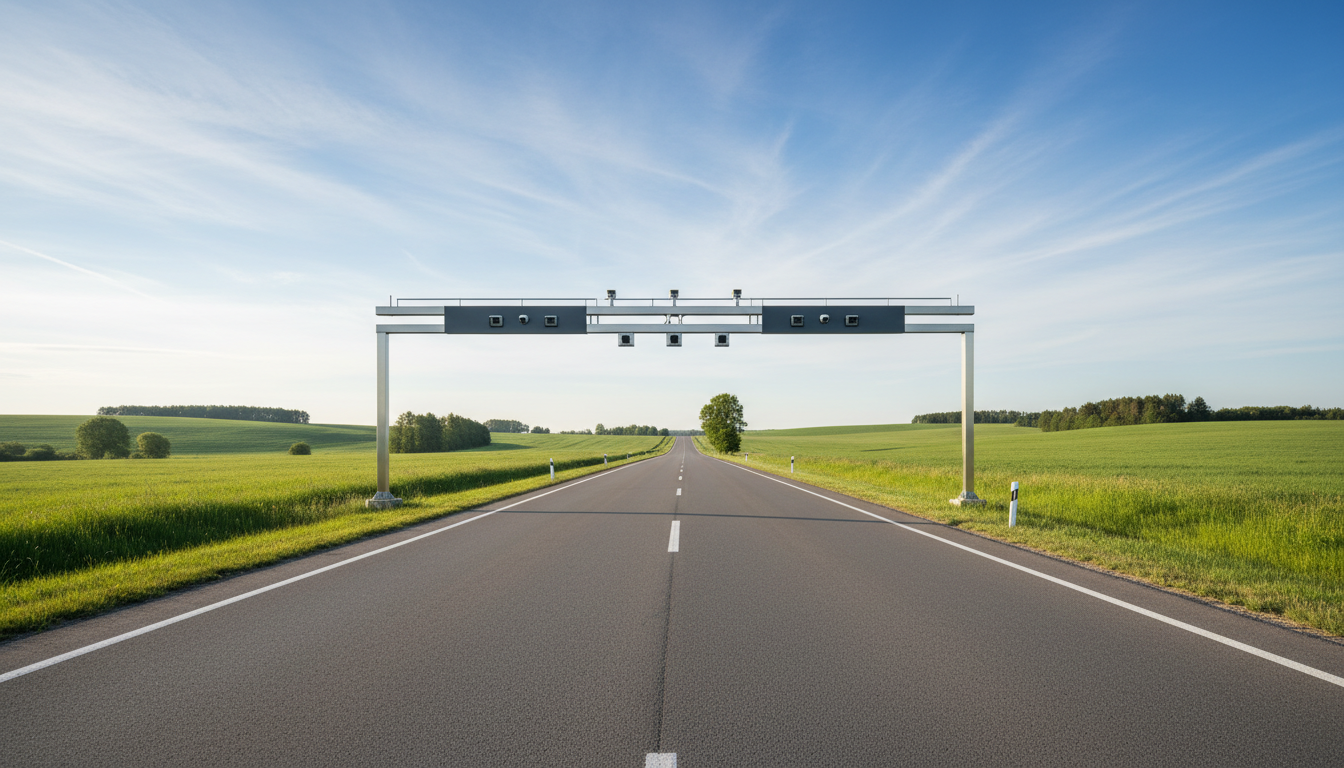
Point-to-point speed cameras slash unsafe driving by nearly 11%, a stark contrast to traditional fixed cameras, which barely register a dent, reducing it by less than one percent. This isn't theoretical. The numbers are clear. The question of whether these cameras genuinely save lives has a definitive answer today.
Point-to-Point's Proven Edge
For years, the debate over speed camera effectiveness has raged. Now, the data from new point-to-point systems offers a compelling answer. These advanced cameras, measuring average speed over extended distances, reduced the ratio of unsafe driving by 10.97%, one study found. Compare that to single fixed cameras, which managed a meager 0.20% reduction. Even two fixed cameras working in tandem only achieved a 0.57% decrease. It's a stark difference, showing a critical technological divide. This superior performance isn't just about statistics; it translates directly to reduced crash risk, lowering it by 3.44% to 11.27%.
The "accordion effect"—drivers braking just before a camera and speeding up afterward—was a common criticism of older systems. Point-to-point technology largely sidesteps this, forcing sustained behavioral change across longer road segments. This concrete shift in driver habits suggests a clear path forward for jurisdictions seeking to truly rein in dangerous speeds.
Fatalities Down, Speeds Drop
Beyond the advanced systems, overall evidence strongly links speed camera deployment to fewer traffic fatalities and severe injuries. The Insurance Institute for Highway Safety reviewed various studies, reporting crash reductions from 8% to a staggering 50%. Serious injuries dropped by 11% to 44%. In Philadelphia, Pennsylvania, Roosevelt Boulevard saw a decrease in crashes, injuries, and fatalities after camera installation. Montgomery County, Maryland, experienced a 70% reduction in speeding and a 19% drop in severe crash rates once its program was active. These aren't small adjustments; these are significant public safety gains.
Beyond the Lens: Trust and Infrastructure
The cameras themselves are only part of the equation. Their effectiveness amplifies when paired with smart infrastructure changes. Roadway redesigns, including traffic calming measures and shorter pedestrian crossing distances, work synergistically with speed enforcement. The largest safety improvements emerge when cameras combine with physical infrastructure updates.
Public trust also proves critical for long-term compliance. Transparency about how speed camera revenue is spent—specifically, if it's reinvested into road safety improvements—bolsters public acceptance. Procedural justice, the perception that enforcement is fair and consistent, outweighs concerns about how revenue is distributed, influencing sustained behavioral change more directly.
ADAS: No Replacement for Enforcement
Advanced Driver-Assistance Systems, or ADAS, are rapidly integrating into modern vehicles. These technologies, like Automatic Emergency Braking, offer substantial safety benefits, reducing front-to-rear crashes by 56% in some cases. Yet, ADAS does not negate the need for speed cameras. Driver error still contributes to 97% of crashes, even with ADAS present. Recognition errors, including internal distraction, account for 56% of those human mistakes. While ADAS improves vehicle safety, human behavior and the limitations of automated systems remain critical risk factors. Speed cameras address these persistent vulnerabilities, complementing, not replacing, onboard technology.
The Certainty of Detection
Speed cameras, particularly the more advanced point-to-point systems, undeniably reduce traffic fatalities and severe injuries. This effectiveness is magnified when integrated with physical infrastructure improvements and bolstered by transparent, equitable public engagement.
Comments ()