Memes Boost Engagement, Not 2024 Voter Turnout
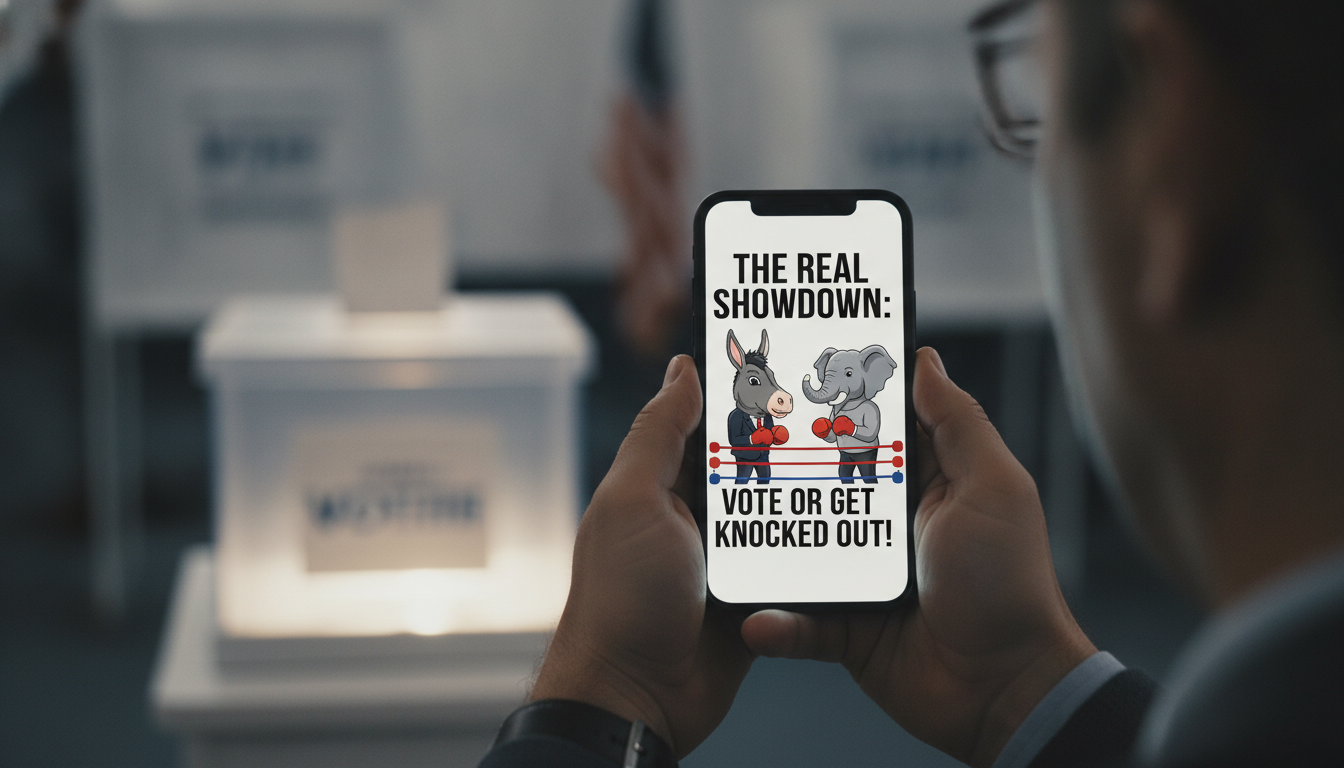
Reinforcing Partisan Views, Not Persuading Voters
Following the "kamala IS brat" tweet, Vote.org recorded a surge of nearly 40,000 new voter registrations in 48 hours, growing to over 100,000 nationally, with nearly 85% of these new registrants being under 35. Experts consistently find that memes reinforce the views of individuals who already share similar sentiments, rather than persuading undecided voters. While memes can lower psychological barriers to politics and spark initial civic engagement among historically unengaged demographics, particularly young adults, the German Marshall Fund of the United States noted the difficulty in determining how much of their viral reinforcement directly converts into measurable voter turnout increases.
Engagement Surges Did Not Translate to Ballots
Middle Tennessee State University concluded that political memes had no significant effect on actual political participation among young adults in the 2024 election. This finding occurred despite engagement and registration metrics, as Smith College and The New Yorker found no direct, quantified empirical link to voter mobilization among dominant 2024 meme formats such as "Kamala is brat," "Dark Brandon," and "Project Coconut." However, some viral moments did correlate with significant engagement and voter registration activity. The American Prospect reported that a CNN survey also showed an 11-point improvement for Kamala Harris over Joe Biden, with her leading Donald Trump by 4 points among registered voters aged 18-34.
AI Amplification, Lower Overall Turnout
Dartmouth College identified the 2024 election as the first U.S. presidential cycle with widespread use of sophisticated generative AI for creating memes, establishing AI integration as a unique variable. However, this increased digital engagement did not translate into a quantifiable turnout increase over the previous cycle; Ballotpedia reported that overall eligible voter turnout in 2024 was 63.7%, lower than the 66.6% recorded in 2020. Combining AI-generated content with meme formats created a synergistic effect that significantly increased digital engagement and virality. A visual communications publication detailed that on X, for instance, GIFs generated the highest engagement (11.41%) and favorability (9.78%) among meme types.
Campaigns Prioritized Postcard Mailings
The MIT Election Lab and Smith College found that campaigns continued to prioritize traditional get-out-the-vote (GOTV) methods, such as postcard mailings, over meme strategies, despite the high digital engagement memes generated. These traditional methods yield more measurable outcomes, such as voter registration and financial donations. While memes effectively energized campaigns and engaged audiences, they did not primarily drive the conversion of engagement into actual ballot casting. Specific breakdowns of the causal impact of viral memes by demographic segment in key swing states remain unquantified. Smith College observed that specific costs or resource allocations for meme strategies are not publicly detailed, making it impossible to compare these expenditures to traditional get-out-the-vote efforts.
Memes' 2024 Turnout Impact Unquantified
Smith College's analysis implies that campaigns should view meme strategies as effective for reinforcing existing support and generating online buzz. However, these strategies do not replace traditional, data-driven get-out-the-vote operations that have a more established link to ballot casting. The findings indicate that while memes are powerful tools for digital engagement and identity formation, their direct causal impact on measurable voter turnout increases in the 2024 U.S. election cycle remains unquantified.

Comments ()