Stop Blaming Algorithms for the Death of Empathy
Theories of Empathy Erosion
As a Georgia State University study concluded, "While social media is often viewed negatively, we did not find evidence that social media use is broadly harmful to adolescent empathy" [2].
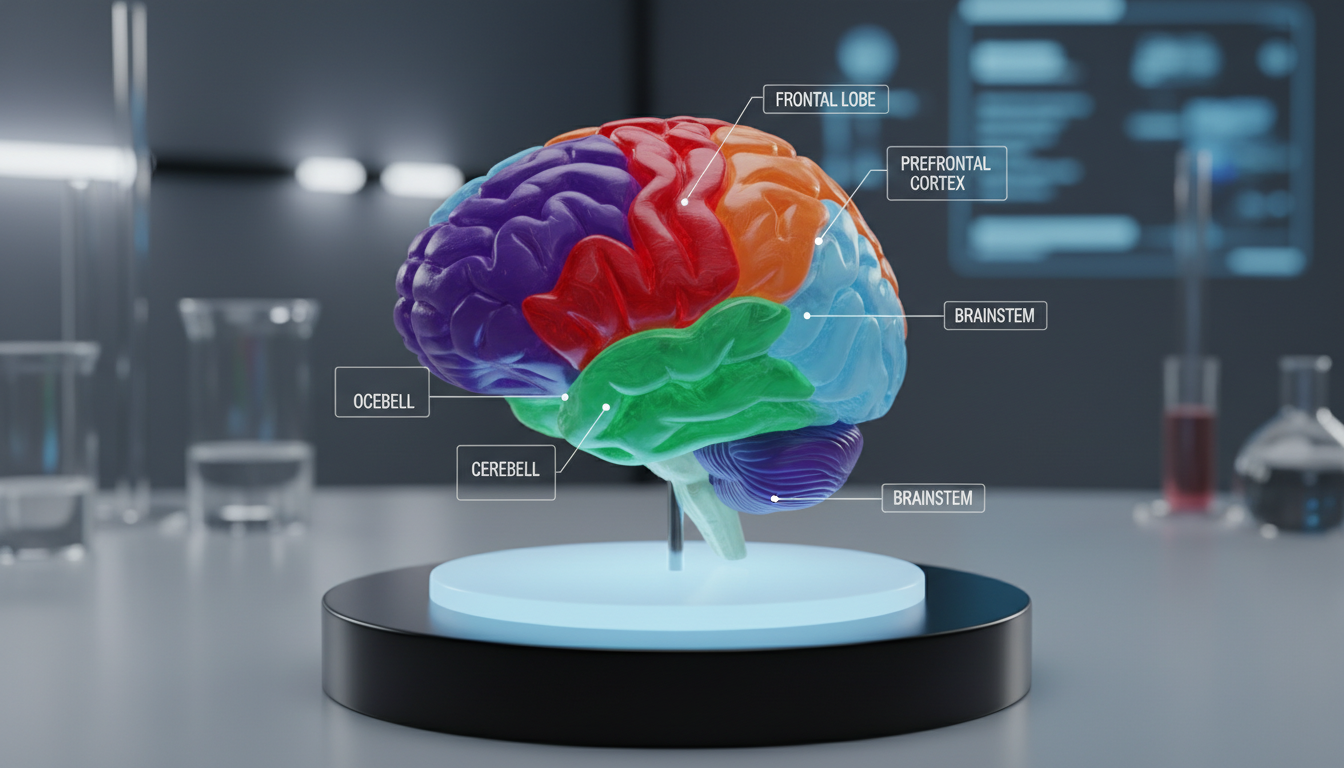
Proponents of an empathy decline argue that social media algorithmic architecture exploits neuroplasticity, leading to desensitization and reduced activity in neural systems critical for cognitive empathy, such as the default mode network (DMN) and prefrontal cortex [9]. This process has been termed "neural parasitism," suggesting that adaptive artificial intelligence systems incrementally reconfigure human neural plasticity [13]. Algorithms prioritize engagement through high-arousal content, which can lead to emotional numbing and a reconfigured brain that favors rapid, low-effort responses over the sustained, reflective processing needed for understanding complex mental states [9]. The "Virtual Disengagement Hypothesis" further posits that online environments, lacking crucial social cues like facial expressions and tone of voice, may make it neurobiologically easier to disengage from others' emotions [7][17]. Prolonged social media use can impact the brain's reward, attention, and emotional systems, with increased beta and gamma activity in the prefrontal cortex during decision-making and emotional appraisal [1]. This constant stimulation can lead to "digital anhedonia," where the brain's reward system becomes less sensitive to natural rewards [16].
Varied Impacts, Not Uniform Decline
One study indicated that 74% of participants (nearly three-quarters) did not perceive any change in their online experience despite algorithmic manipulation [5]. The impact of social media on empathy appears nuanced and varied, rather than a uniform decline [6][10]. While some studies suggest heavy social media users might be less empathic, others indicate the opposite [6][10]. The relationship can depend on usage patterns, user demographics, and cultural context [6][10]. For instance, studies conducted in Europe have found a positive connection between social media use and empathy, whereas studies in the U.S. found no meaningful connection, trending slightly negative [6]. The type of social media interaction also matters; preference for social media interaction has been found to be positively related to online cognitive empathy, while time spent on social media showed no significant relationship with empathy [3]. Additionally, the influence of algorithms on user experience is not always consciously perceived. However, the frequency of social media use was positively correlated with increased personal distress during interpersonal conflict, particularly for males [4].
The Unproven Link to Permanent Decline
The distinction between cognitive and affective empathy is also crucial, as some positive associations were stronger for affective empathy [12]. Concerns about a definitive, permanent erosion of cognitive empathy may be overstated based on current evidence.
The Empathy Enigma
While theories of neural parasitism propose how algorithmic architecture might reconfigure human empathy, strong evidence for a permanent, causal decline in cognitive empathy remains elusive. Until specific algorithmic features are definitively linked to lasting changes in cognitive empathy, concerns of a widespread, permanent erosion may remain overstated.
Sources (13)
- Articles - pmc.ncbi.nlm.nih.gov - AUTHORS UNAVAILABLE
- Georgia State University Study Challenges Idea That Social M - news.gsu.edu
- PdfCoverPage - scholarworks.brandeis.edu
- Honors - digitalcommons.library.umaine.edu
- Viewcontent.Cgi - scholar.utc.edu
- Martingano Social Media Use Lower Empathy - spsp.org
- Wired For Connection Cursed By Computers How Social Media Ma - brainfacts.org
- The Empathy Crisis How Social Media Algorithms Drive Emotion - psychiatrictimes.com
- Social Media And Empathy Around The Globe - psychologytoday.com
- Social Media Use and Empathy: A Mini Meta-Analysis - Scirp.org.
- Neural parasitism: could adaptive artificial intelligence systems incrementally reconfigure human neural plasticity and challenge the foundations of cognitive autonomy?
- Hijacked by the Feed: Social Media Neuroengineering-Induced Digital Anhedonia.
- The virtual disengagement hypothesis: A neurophysiological framework for reduced empathy on social media.


Comments ()