Trump's Iran Policy. A Dangerous Path.
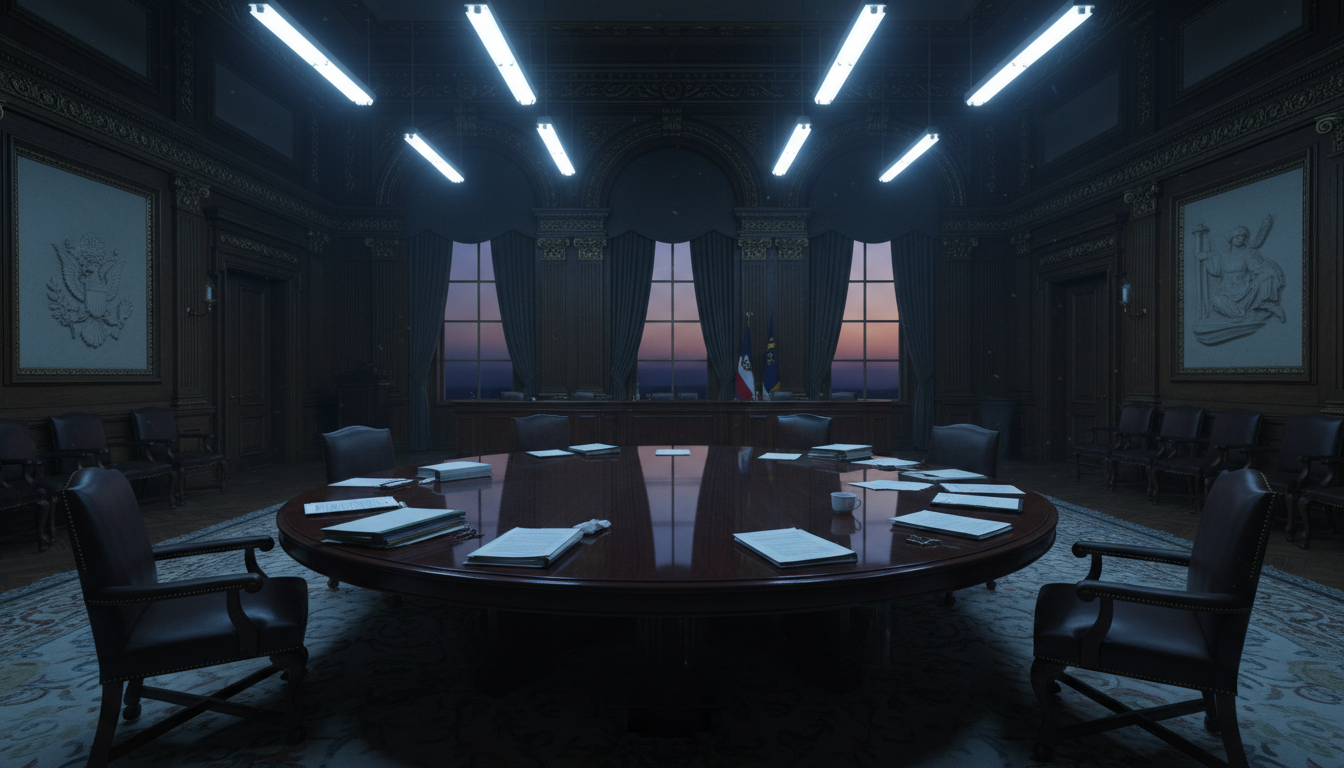
Intelligence suggested Iran could produce enough weapons-grade uranium for nine nuclear weapons in three weeks, per Pir Center, with its breakout time dropping to approximately one week by February 2026, according to the Institute for the Study of War. This alarming pace marked the culmination of Trump’s Iran policy, which significantly increased the risk of military escalation, leading to February 2026’s Operation Epic Fury and a subsequent fragile ceasefire. The withdrawal from the Joint Comprehensive Plan of Action, or JCPOA, in 2018, coupled with a "maximum pressure" campaign, removed critical constraints on Iran's nuclear program and dramatically heightened regional tensions.
Nuclear Clock Ticking Faster
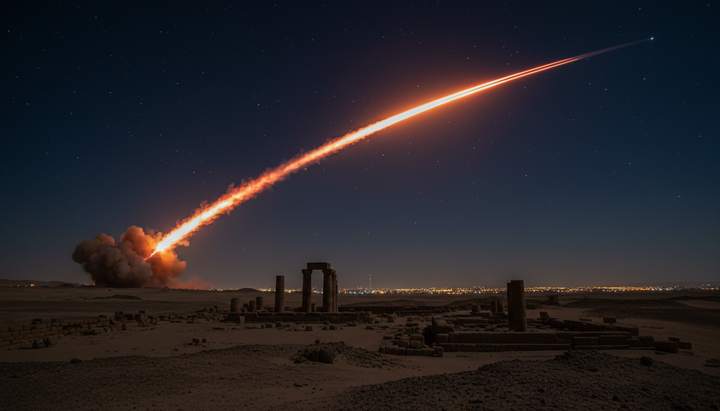
The Trump administration’s withdrawal from the JCPOA in 2018 directly led to an acceleration of Iran's nuclear enrichment activities and a dangerous shortening of its estimated breakout timeline. By early 2026, Iran’s nuclear program had severely limited international verification access. This advancement, including numerous centrifuges and expanded enrichment capacity, prompted the US and Israel to perceive an imminent threat, justifying the February 28, 2026 strikes aimed at degrading Iran’s nuclear infrastructure. The policy effectively removed the guardrails on a nuclear program that had been under international scrutiny.
The Pressure Cooker Explodes
The "maximum pressure" campaign and designation of the Islamic Revolutionary Guard Corps (IRGC) as a terrorist organization significantly escalated tensions with Iran, increasing the risk of miscalculation. Iranian officials frequently cited the IRGC designation, increased sanctions, and substantial US military deployments as escalatory actions. The US deployed multiple aircraft carriers and a significant portion of the Arleigh Burke-class destroyer fleet, alongside B-1 and B-2 bombers. The US lost 26 MQ-9 Reaper drones to Iran, per a Commerce Department report. This environment became volatile. This created an inherently escalatory dynamic, with Iran viewing US actions as an existential threat.
Diplomacy's Dead End
Meaningful diplomatic engagement with Iran between 2018 and 2026 proved elusive, often thwarted by fundamental differences and escalating tensions. The Trump administration’s pursuit of maximalist demands, following the JCPOA withdrawal, constrained realistic diplomatic pathways. While renewed negotiations in 2025, mediated by Oman, showed initial promise with Iran presenting a 10-point plan, the US response was complicated by internal disagreement and shifting positions, per an Institute for the Study of War report. Vice President Vance's dismissal of the publicly available version of the 10-point plan further undermined trust and stalled progress. This internal division, combined with conflicting interpretations of Iran’s proposal, impeded any coherent diplomatic strategy, ultimately leading to military strikes in February 2026. This research did not fully quantify how the lack of strong international support for the Trump administration's policy undermined diplomatic initiatives, but it certainly limited the range of viable pathways available.
A Legacy of Miscalculation
The abandonment of the JCPOA was significantly motivated by domestic political goals, increasing the risk of conflict. President Trump initially claimed the goal of military action was "the total destruction of Iran," a claim widely considered unrealistic. The decision to pursue military escalation, rather than prioritize de-escalation, created significant strategic risks, straining US military resources and potentially destabilizing the entire Middle East. The reported death of Supreme Leader Khamenei, while intended to disrupt Iranian leadership, proved to be a critical miscalculation, broadening the conflict and triggering widespread retaliation.
Iran’s pursuit of regional provocations and its nuclear ambitions were functionally integrated to establish a coercive regional posture. Increased regional tensions, including attacks on Saudi Arabia and the UAE, aimed to raise economic costs and pressure international actors toward resolutions favorable to Iran. This strategy coincided with a shift in Iranian rhetoric toward openly considering nuclear weaponization as a deterrent.
The Ceasefire's Thin Veneer
The February 2026 military strikes caused significant damage to Iran's nuclear infrastructure, but they have not eliminated Iran’s capacity for reconstitution, per IISS. Despite the disruption, Iran retains a significant capability to advance its nuclear program, though a fully operational capability is likely years away. The reported death of Ayatollah Khamenei and ensuing leadership uncertainty have likely contributed to a hardline shift in Iranian leadership, potentially solidifying a more aggressive nuclear posture, per IISS. This conflict has already strained US military readiness, diverting resources from other critical regions. While the current ceasefire, brokered by Pakistan, acknowledges the unsustainable costs of continued conflict, it does not resolve the underlying tensions. The long-term costs of a confrontational strategy that forecloses diplomatic pathways are significant, straining US military resources and potentially destabilizing the entire Middle East.

Comments ()