Political Bargaining Degrades War Aims

2026 Iraq Exit Exemplifies Political Expediency
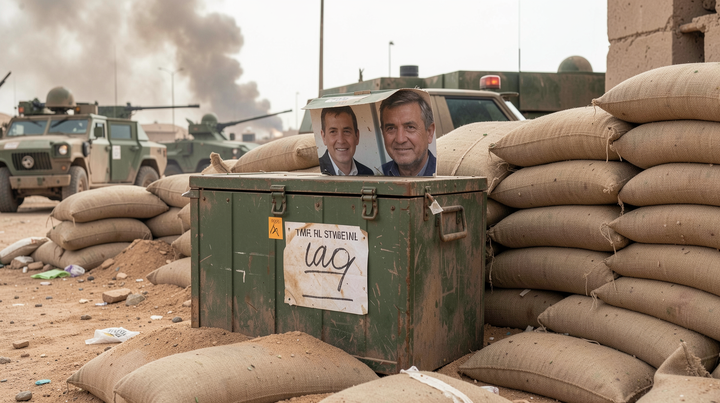
The 2026 Iraq exit exemplifies how political expediency shapes enduring geopolitical realities. Reuters reported that "More recently, the 2026 Iraq exit is noted for creating a strategic vacuum for adversaries like Iran, potentially undermining victory conditions and signaling U.S. unreliability to allies." The War Prevention Initiative argues that democratic accountability incentivizes leaders to carefully consider military means and invest sufficiently in operations, thereby avoiding re-election losses if policies fail. It also found that when democracies commit to war, they tend to allocate nearly twice the resources compared to autocracies to maintain public support, which correlates with higher success rates in conflicts against autocratic regimes. Military Strategy Magazine observed that successful political bargaining, which secures broad bipartisan support for a highly valued objective, can make resource-intensive military strategies more feasible and durable across changes in leadership.
Afghanistan, Iraq Withdrawals Shift to China, Russia
Analyses from Congress.gov, MWI West Point, and NDU Press indicate that recalibration, including withdrawals from engagements like Afghanistan and Iraq, is necessary to preserve national resources and enable strategic shifts to higher-priority competition with nations like China and Russia. Some withdrawals, while appearing to degrade positioning, can be reframed as necessary strategic pivots; this ensures that multi-year commitments are both politically legitimate and strategically efficient for long-term national security.
Electoral Cycles Compromise Military Positioning
Decisions driven by electoral cycles, while potentially securing public support and resource commitments, risk compromising military positioning and creating strategic vulnerabilities. Leaders face a persistent trade-off between immediate political viability and long-term strategic efficacy; however, ignoring domestic political realities can lead to a loss of public support, making sustained military efforts untenable.
Electoral Bargaining Creates Vacuums for Iran
This trade-off forces leaders to prioritize short-term political gains, potentially leaving strategic vacuums for adversaries like Iran to exploit. Securing domestic durability through electoral bargaining often comes at the cost of long-term military positioning.


Comments ()